
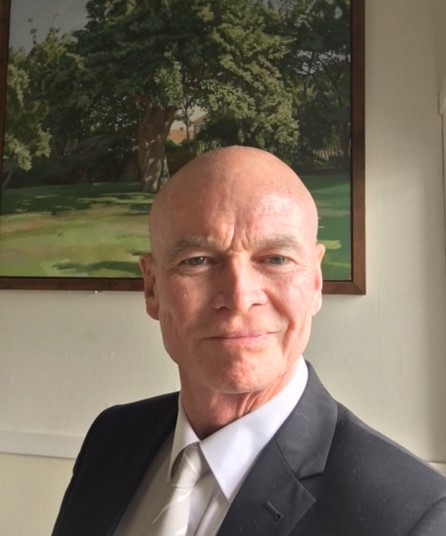
John Croker
(He/Him)
Biography:
After twenty five years of Headship in both maintained and independent schools, I have been an educational consultant for the past eight years. This role has centred on two aspects. One has been developing coaching programmes across a number of schools and trusts, and the other has been a series of Interim or Associate Headteacher roles, supporting and improving schools which have fallen on hard times. These have involved working across a number of Authorities: Wiltshire, London, Somerset, Bath & North East Somerset and Dorset.
After adopting a coaching approach to developing teaching at Newbridge Primary School, Bath, where I was Headteacher for seven years, I was then approached by other schools to help them develop such a programme. This quickly became ten Wiltshire schools, centred around the Salisbury Plain, and over two years we achieved much. This programme was supported by the LA who provided funds and in turn approached me to give talks to Wiltshire Headteachers on the principles and impact of coaching. Within these ten schools, the focus was on supporting the individual development of teachers, teaching assistants and leaders. Key coaches in each of the school were identified and trained, technology was introduced to aid observation and professional development, and we began to have key coaches working across schools. To date I have been actively involved in leading coaching teaching programmes in over twenty schools, with over three hundred teachers, with significant impact.
My coaching approach has been developed over many years and it started at a Headteacher Conference in Birmingham with the question: 'What are you doing to support the continuous development of each teacher and teaching assistant in your school?'. On reflection, I realised that I was not doing nearly enough and that our formal Performance Management process was not part of that equation at all. After research, I realised that coaching was key because it centred around the teacher being at the centre of their development. It was not about 'telling', it was about helping them to analyse the lesson and break it down, understand their role in both effective and ineffective learning, and plan for the next session. Over time, I have been increasingly coaching leadership development - subject leaders, senior leaders, headteachers. I have drawn up coaching charters with the schools I have been involved with but some key principles are as follows:
The foundations of successful coaching are mutual respect, confidentiality and, above all, trust.
The focus should be entirely on the participant's thinking and the balance of dialogue (the 80%/20% split) should reflect that.
The coach must be non-judgmental and not allow personal bias to play a part.
The coach's role is to support & empathise but also to question & challenge and enable your partner to develop their thinking and ideas in their own personal context.
The importance of evidence to support reflection, thinking, plans and outcomes. I have come to truly love coaching and the positive impact it has had on so many professionals.
Key Strength Areas:
- Coaching school support staff
- Executive leadership
- Facilitative coaching for teachers
- Strengths-based coaching / mentoring
Areas / Sectors:
- Education
- Public Sector
Services:
- Coaching Supervision
- Early Headship Coaching Offer
- New to Leadership Coaching
- NPQ Coaching
- Systemic Team Coaching
Specialisms:
- Aspiring Coaches
- New Headteachers
- NPQ Participants
- Senior Leaders
- Teachers / Support Staff
- Teams
Formats:
- In person
- Online
- Telephone
Location:
- UK: South West
Experience:
- Executive Leadership
- Headship
- Junior
- Primary
- School Leadership
Years of Experience:
5+
If you are an LLSE NPQEL or NPQH participant looking to book your free Executive Coaching Sessions, please use the form below.